

Build real expertise in international accounting standards
If your team prepares financial statements, audits them, or has to explain them to a board, staying current with IPSAS, IFRS, IAS and GAAP isn’t optional — it’s the difference between statements that hold up to scrutiny and ones that don’t.
Ferford Capacity Developers Africa runs practical, standards-focused training for accountants, auditors, regulators and public sector finance officers. Rather than walking through the standards in the abstract, our courses work through real reporting scenarios: first-time adoption, financial instruments, leases, revenue recognition, consolidation, and the public-sector-specific rules around grants, social benefits and non-exchange transactions.
We also cover the areas reshaping the profession right now — sustainability and integrated reporting under IFRS S1 and S2, the push toward digital financial reporting, and the ongoing convergence between IPSAS and IFRS that’s changing how public and private sector accountants talk to each other.
Where we train
Our courses run across four regions of the continent, with content adapted to local reporting environments in each:
- West Africa: The Gambia, Ghana, Liberia, Nigeria, Sierra Leone
- East Africa: Kenya, Rwanda, Tanzania, Uganda
- Southern Africa: Botswana, Eswatini, Lesotho, Malawi, Mauritius, Namibia, South Africa, Zambia, Zimbabwe
- Central & North Africa: Cameroon, Eritrea, Sudan, South Sudan, Ethiopia
Training venues: Pretoria, Cape Town & Johannesburg (South Africa) · Kigali (Rwanda) · Victoria Falls (Zimbabwe) · Dubai (UAE) · Nairobi (Kenya)
That regional footprint matters because standards don’t get implemented the same way everywhere. A course on accrual-based IPSAS adoption looks different for a government finance team in Rwanda than it does for one managing donor-funded projects in Sierra Leone — so our case studies and examples reflect the environment participants actually work in
What participants walk away with
By the end of a course, participants aren’t just familiar with a standard — they can apply it. That means being able to:
- Prepare and present financial statements under IPSAS, IFRS, IAS or GAAP
- Run impairment tests and manage asset revaluations correctly
- Navigate a transition from cash-based to accrual-based accounting
- Apply forensic techniques to check for standards compliance
- Handle the trickier areas — PPP accounting, donor-funded project reporting, business combinations, group consolidations — with confidence
| Course Code | Course Title |
|---|---|
| ACC-001 | Digital Transformation and Technology in Financial Reporting and Standard Implementation |
| ACC-002 | Accounting Standards Update and Interpretation: Recent IFRS, IAS, and IPSAS Changes (IFRS 18 – Presentation and Disclosure in Financial Statements) |
| ACC-003 | GAAP for Non-Profit and Public Benefit Organizations |
| ACC-004 | Financial Reporting under GAAP and IFRS: Key Differences and Applications |
| ACC-005 | IPSAS and IFRS Convergence: Bridging the Public–Private Sector Divide |
| ACC-006 | Sustainability, ESG, and Integrated Reporting Standards (IFRS S1 & S2, GRI) |
| ACC-007 | Forensic Accounting and Compliance with Accounting Standards |
| ACC-008 | Accounting Standards for Donor-Funded Projects and NGOs (IPSAS, IFRS, and GAAP) |
| ACC-009 | Accounting Standards for Public–Private Partnerships (PPPs) and Infrastructure |
| ACC-010 | Share-Based Payments and Equity Compensation (IFRS 2) |
| ACC-011 | Accounting for Financial Institutions and Insurance Contracts (IFRS 9, IFRS 17) |
| ACC-012 | Segment Reporting and Performance Disclosure (IFRS 8, IPSAS 18) |
| ACC-013 | First-Time Adoption of Accounting Standards (IPSAS 33, IFRS 1) |
| ACC-014 | Disclosure and Presentation Requirements (IFRS 18, IAS 1, IPSAS Framework) |
| ACC-015 | Cash Flow Statements and Analysis (IAS 7, IPSAS 2) |
| ACC-016 | Social Benefits, Grants, and Non-Exchange Transactions (IPSAS 23, IPSAS 42) |
| ACC-017 | Business Combinations and Goodwill (IFRS 3, IPSAS 40) |
| ACC-018 | Consolidation and Group Financial Statements (IFRS 10–12, IPSAS 35–38) |
| ACC-019 | Related Party Disclosures and Transparency (IAS 24, IPSAS 20) |
| ACC-020 | Foreign Currency Transactions and Translation (IAS 21, IPSAS 4) |
| ACC-021 | Income Taxes and Deferred Taxation (IAS 12, IFRS Framework) |
| ACC-022 | Accounting Policies, Changes, and Errors (IAS 8, IPSAS 3) |
| ACC-023 | Events After the Reporting Period (IAS 10, IPSAS 14) |
| ACC-024 | Inventories and Cost Measurement (IAS 2, IPSAS 12) |
| ACC-025 | Investment Property and Real Estate Accounting (IAS 40, IFRS 13, IPSAS 16) |
| ACC-026 | Employee Benefits and Pension Accounting (IAS 19, IAS 26, IPSAS 39) |
| ACC-027 | Impairment and Asset Revaluation (IAS 36, IFRS 13, IPSAS 21 & 26) |
| ACC-028 | Leases Accounting (IFRS 16, IPSAS 13) |
| ACC-029 | Financial Instruments and Fair Value Measurement (IPSAS 41, IFRS 9, IFRS 13) |
| ACC-030 | Revenue Recognition (IPSAS 23, IFRS 15) |
| ACC-031 | Provisions, Contingent Liabilities, and Contingent Assets (IPSAS 19, IAS 37) |
| ACC-032 | Intangible Assets Accounting (IPSAS 31, IAS 38) |
| ACC-033 | Property, Plant, and Equipment Accounting (IPSAS 17, IAS 16) |
| ACC-034 | Preparation and Presentation of Financial Statements (IPSAS 1, IAS 1, IFRS 18) |
| ACC-035 | Transition from Cash to Accrual Basis Accounting under IPSAS and IFRS |
| ACC-036 | Introduction to International Accounting Standards (IPSAS, IFRS, IAS, and GAAP Frameworks) |
Two-Week Training Courses Dates
| Start Date | End Date |
|---|---|
| Jan 5, 2026 | Jan 16, 2026 |
| Jan 12, 2026 | Jan 23, 2026 |
| Jan 19, 2026 | Jan 30, 2026 |
| Jan 26, 2026 | Feb 6, 2026 |
| Feb 2, 2026 | Feb 13, 2026 |
| Feb 9, 2026 | Feb 20, 2026 |
| Feb 16, 2026 | Feb 27, 2026 |
| Feb 23, 2026 | Mar 6, 2026 |
| Mar 2, 2026 | Mar 13, 2026 |
| Mar 9, 2026 | Mar 20, 2026 |
| Mar 16, 2026 | Mar 27, 2026 |
| Mar 23, 2026 | Apr 3, 2026 |
| Mar 30, 2026 | Apr 10, 2026 |
| Apr 6, 2026 | Apr 17, 2026 |
| Apr 13, 2026 | Apr 24, 2026 |
| Apr 20, 2026 | May 1, 2026 |
| Apr 27, 2026 | May 8, 2026 |
| May 4, 2026 | May 15, 2026 |
| May 11, 2026 | May 22, 2026 |
| May 18, 2026 | May 29, 2026 |
| May 25, 2026 | Jun 5, 2026 |
| Jun 1, 2026 | Jun 12, 2026 |
| Jun 8, 2026 | Jun 19, 2026 |
| Jun 15, 2026 | Jun 26, 2026 |
| Jun 22, 2026 | Jul 3, 2026 |
| Jun 29, 2026 | Jul 10, 2026 |
| Jul 6, 2026 | Jul 17, 2026 |
| Jul 13, 2026 | Jul 24, 2026 |
| Jul 20, 2026 | Jul 31, 2026 |
| Jul 27, 2026 | Aug 7, 2026 |
| Aug 3, 2026 | Aug 14, 2026 |
| Aug 10, 2026 | Aug 21, 2026 |
| Aug 17, 2026 | Aug 28, 2026 |
| Aug 24, 2026 | Sep 4, 2026 |
| Aug 31, 2026 | Sep 11, 2026 |
| Sep 7, 2026 | Sep 18, 2026 |
| Sep 14, 2026 | Sep 25, 2026 |
| Sep 21, 2026 | Oct 2, 2026 |
| Sep 28, 2026 | Oct 9, 2026 |
| Oct 5, 2026 | Oct 16, 2026 |
| Oct 12, 2026 | Oct 23, 2026 |
| Oct 19, 2026 | Oct 30, 2026 |
| Oct 26, 2026 | Nov 6, 2026 |
| Nov 2, 2026 | Nov 13, 2026 |
| Nov 9, 2026 | Nov 20, 2026 |
| Nov 16, 2026 | Nov 27, 2026 |
| Nov 23, 2026 | Dec 4, 2026 |
| Nov 30, 2026 | Dec 11, 2026 |
| Dec 7, 2026 | Dec 18, 2026 |
One-Week Training Courses Dates
| Start Date | End Date |
|---|---|
| Jan 5, 2026 | Jan 9, 2026 |
| Jan 12, 2026 | Jan 16, 2026 |
| Jan 19, 2026 | Jan 23, 2026 |
| Jan 26, 2026 | Jan 30, 2026 |
| Feb 2, 2026 | Feb 6, 2026 |
| Feb 9, 2026 | Feb 13, 2026 |
| Feb 16, 2026 | Feb 20, 2026 |
| Feb 23, 2026 | Feb 27, 2026 |
| Mar 2, 2026 | Mar 6, 2026 |
| Mar 9, 2026 | Mar 13, 2026 |
| Mar 16, 2026 | Mar 20, 2026 |
| Mar 23, 2026 | Mar 27, 2026 |
| Mar 30, 2026 | Apr 3, 2026 |
| Apr 6, 2026 | Apr 10, 2026 |
| Apr 13, 2026 | Apr 17, 2026 |
| Apr 20, 2026 | Apr 24, 2026 |
| Apr 27, 2026 | May 1, 2026 |
| May 4, 2026 | May 8, 2026 |
| May 11, 2026 | May 15, 2026 |
| May 18, 2026 | May 22, 2026 |
| May 25, 2026 | May 29, 2026 |
| Jun 1, 2026 | Jun 5, 2026 |
| Jun 8, 2026 | Jun 12, 2026 |
| Jun 15, 2026 | Jun 19, 2026 |
| Jun 22, 2026 | Jun 26, 2026 |
| Jun 29, 2026 | Jul 3, 2026 |
| Jul 6, 2026 | Jul 10, 2026 |
| Jul 13, 2026 | Jul 17, 2026 |
| Jul 20, 2026 | Jul 24, 2026 |
| Jul 27, 2026 | Jul 31, 2026 |
| Aug 3, 2026 | Aug 7, 2026 |
| Aug 10, 2026 | Aug 14, 2026 |
| Aug 17, 2026 | Aug 21, 2026 |
| Aug 24, 2026 | Aug 28, 2026 |
| Aug 31, 2026 | Sep 4, 2026 |
| Sep 7, 2026 | Sep 11, 2026 |
| Sep 14, 2026 | Sep 18, 2026 |
| Sep 21, 2026 | Sep 25, 2026 |
| Sep 28, 2026 | Oct 2, 2026 |
| Oct 5, 2026 | Oct 9, 2026 |
| Oct 12, 2026 | Oct 16, 2026 |
| Oct 19, 2026 | Oct 23, 2026 |
| Oct 26, 2026 | Oct 30, 2026 |
| Nov 2, 2026 | Nov 6, 2026 |
| Nov 9, 2026 | Nov 13, 2026 |
| Nov 16, 2026 | Nov 20, 2026 |
| Nov 23, 2026 | Nov 27, 2026 |
| Nov 30, 2026 | Dec 4, 2026 |
| Dec 7, 2026 | Dec 11, 2026 |
| Dec 14, 2026 | Dec 18, 2026 |
Training Venue
SOUTH AFRICA: Pretoria , Cape Town & Johannesburg | RWANDA: Kigali | ZIMBABWE :Victoria Falls | UAE: Dubai | KENYA: Nairobi
Who this training is for
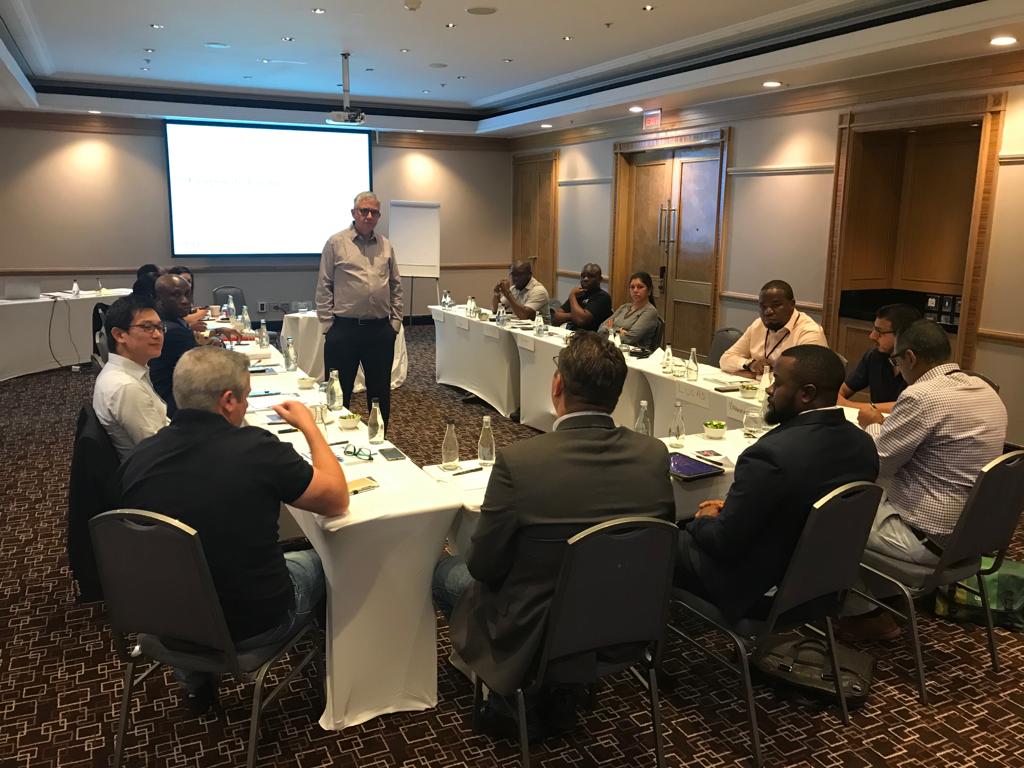
These courses are designed for mid-career professionals in audit, risk management, governance, and financial management—not entry-level overviews. Facilitators bring direct industry experience, and sessions lean on hands-on exercises and case studies rather than lecture-style delivery, so participants leave able to apply what they’ve learned immediately.
Register For One of Our Courses
Get in touch to secure a seat on an upcoming course, confirm dates for your preferred venue, or discuss a customized in-house program for your team
Frequently asked questions
What's the difference between IPSAS, IFRS, IAS and GAAP?
IFRS and IAS are international standards for private-sector financial reporting (IAS being the older series, largely superseded by IFRS). IPSAS applies the same principles to public sector entities — governments, agencies, and public bodies. GAAP refers to generally accepted accounting principles, which can mean a country’s own national framework (like US GAAP) or a broader set of accepted conventions. Our courses cover all four, including where they overlap and where they diverge.
Who should attend these courses?
They’re designed for accountants, auditors, finance officers, and regulators who already work with financial statements and want to deepen or update their technical knowledge. Most courses assume some accounting background rather than starting from zero — ACC-036 (Introduction to International Accounting Standards) is the best starting point if you’re newer to the field.
Do you offer training for public sector and government finance teams specifically?
Yes. Several courses focus on public-sector reporting challenges — transitioning from cash to accrual accounting, accounting for grants and social benefits, PPP and infrastructure accounting, and IPSAS-IFRS convergence — with case studies drawn from African government and donor-funded contexts..
How long do the courses run?
Most courses run as two-week programs; a full list of upcoming two-week start and end dates is above. One-week course options are also available — contact us for the current schedule.
Where are the courses held?
In-person training runs in Pretoria, Cape Town and Johannesburg (South Africa), Kigali (Rwanda), Victoria Falls (Zimbabwe), Dubai (UAE), and Nairobi (Kenya). Course content is adapted for participants from across West, East, Southern, Central and North Africa.
Can you deliver training in-house for our organisation?
Yes — get in touch to discuss a customized program delivered at your offices or a venue of your choice, built around your team’s specific reporting environment.
Do the courses cover recent changes to the standards, like IFRS 18
Yes. ACC-002 (Accounting Standards Update and Interpretation) is dedicated to recent IFRS, IAS and IPSAS changes, and newer standards such as IFRS 18 and the sustainability reporting standards (IFRS S1 & S2) are incorporated across the relevant courses.