

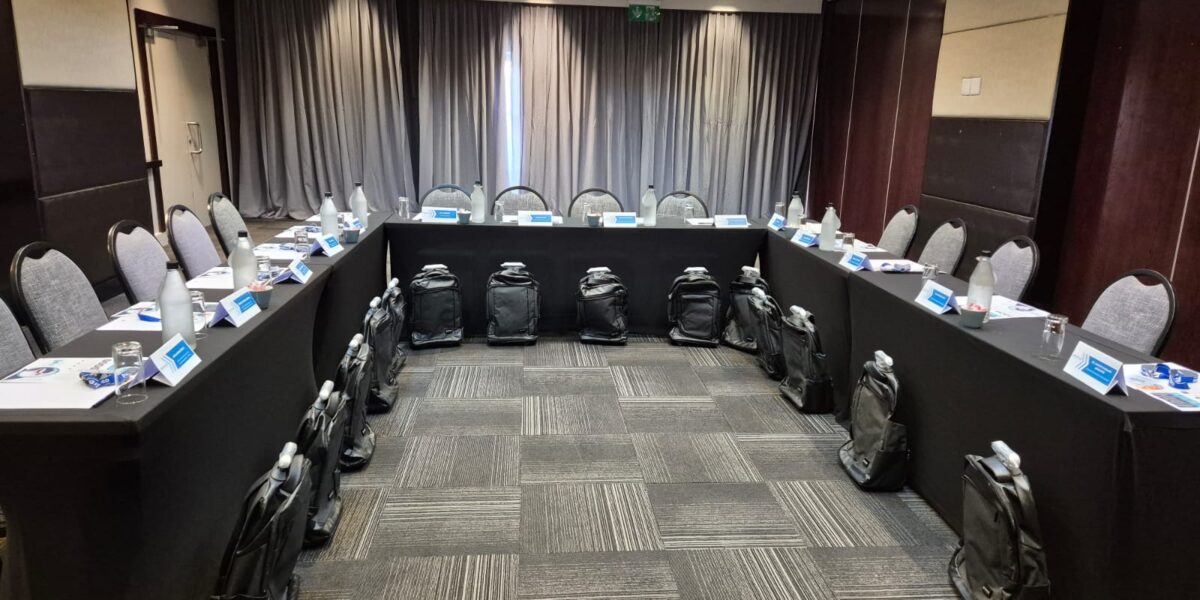
How to Customize Training Programs to Meet Your Team’s Objectives
Most training programs fail for a simple reason: they’re built around what’s easy to deliver, not what the team actually needs. A generic leadership course, a standard onboarding deck, a compliance module recycled year after year — these check a box, but they rarely move the numbers that matter to your business.
Customized training is different. It starts with your team’s specific goals and works backward to design a program that closes real gaps. Here’s how to do it well.
Start With Business Outcomes, Not Training Topics
Before you choose a single piece of content, get precise about what success looks like. “Improve communication” is not a goal — it’s a vague hope. A real goal sounds like: “Reduce cross-team project delays caused by miscommunication by 30% this quarter.”
Every training decision should trace back to a measurable outcome: sales performance, error rates, customer retention, employee turnover, project velocity. If you can’t connect a training module to a number your leadership cares about, it’s worth asking why that module exists at all.
Diagnose the Actual Skill Gap
It’s tempting to assume you already know the problem. Resist that. Triangulate instead:
- Manager input on recurring weak points they see day to day
- Performance data showing exactly where targets are being missed
- Employee surveys or self-assessments revealing where people feel unprepared
- Formal skills audits measured against role requirements
Skipping this step is how companies end up training employees on skills they’ve already mastered while the real bottleneck goes untouched.
Segment by Role, Level, and Learning Style
A single curriculum rarely serves everyone well. Consider splitting by:
- Role — a technical workshop for engineers has almost nothing in common with a negotiation seminar for sales
- Seniority — new hires need foundations; experienced staff need advanced, strategic material
- Learning preference — some groups thrive in hands-on workshops, others prefer self-paced digital modules
Segmentation takes more planning up front, but it’s the difference between training that lands and training that gets tolerated.
Match the Format to the Objective
Not every goal calls for the same delivery method:
| Objective | Best Format |
|---|---|
| Compliance or knowledge transfer | Short, self-paced e-learning |
| Behavior change (leadership, communication) | Workshops, roleplay, coaching, spaced practice |
| Technical or process skills | Simulations, shadowing, sandbox environments |
| Culture or values alignment | Discussion-based sessions, storytelling, peer learning |
Using a workshop format for compliance training wastes everyone’s time. Using an e-learning module to teach negotiation skills wastes the opportunity.
Build In Real Relevance
Generic case studies are forgettable. Real ones aren’t. Pull from your team’s actual work — anonymized customer complaints, real project postmortem, real code review disagreements. When people recognize the scenario, they engage with the lesson instead of politely sitting through it.
Treat Training as a Loop, Not an Event
The biggest waste in corporate training is treating it as a single session rather than an ongoing process. Build in:
- Pre- and post-training assessments to measure actual change
- 30/60/90-day check-ins to confirm the learning transferred to real work
- Manager follow-up conversations that reinforce key points
- Regular iteration based on what didn’t land the first time
Get Managers to Reinforce It
Training sticks when it shows up again after the session ends — in 1:1s, in project debriefs, in performance reviews. Without that reinforcement from managers, even a well-designed program fades within weeks.
The Bottom Line
Customization isn’t about adding complexity for its own sake. It’s about making sure the time your team spends in training actually produces the outcome you need. Define the goal first, diagnose the real gap, choose the right format, and build in follow-through — and training stops being a box-checking exercise and starts being a lever for real performance change.